Two Dozen Songs It Will Never Hear
The engine was the impressive part. The art was the part that moved me. This is the middle chapter of the story of Dawn of Kvartaali — how an AI drew a whole pixel world in code, wrote a comedy’s worth of jokes into every object in it, and composed two dozen original songs on a synthesiser it built itself, for a soundtrack it has no ears to hear.
- Part 1 · The build — a game engine, and a robot that plays the game
- Part 2 · The design — pixels, jokes, and two dozen songs it can’t hear (you are here)
- Part 3 · The workflow — zero lines written by hand
- Part 4 · The architecture — inside the engine
In Part 1 I described the machine that runs the game. Here I want to talk about the soul of it — the look, the laughs, and the music — because that’s where the collaboration stopped feeling like “an AI writing software” and started feeling like working with a genuinely inventive, slightly unhinged art department.
A world drawn in code
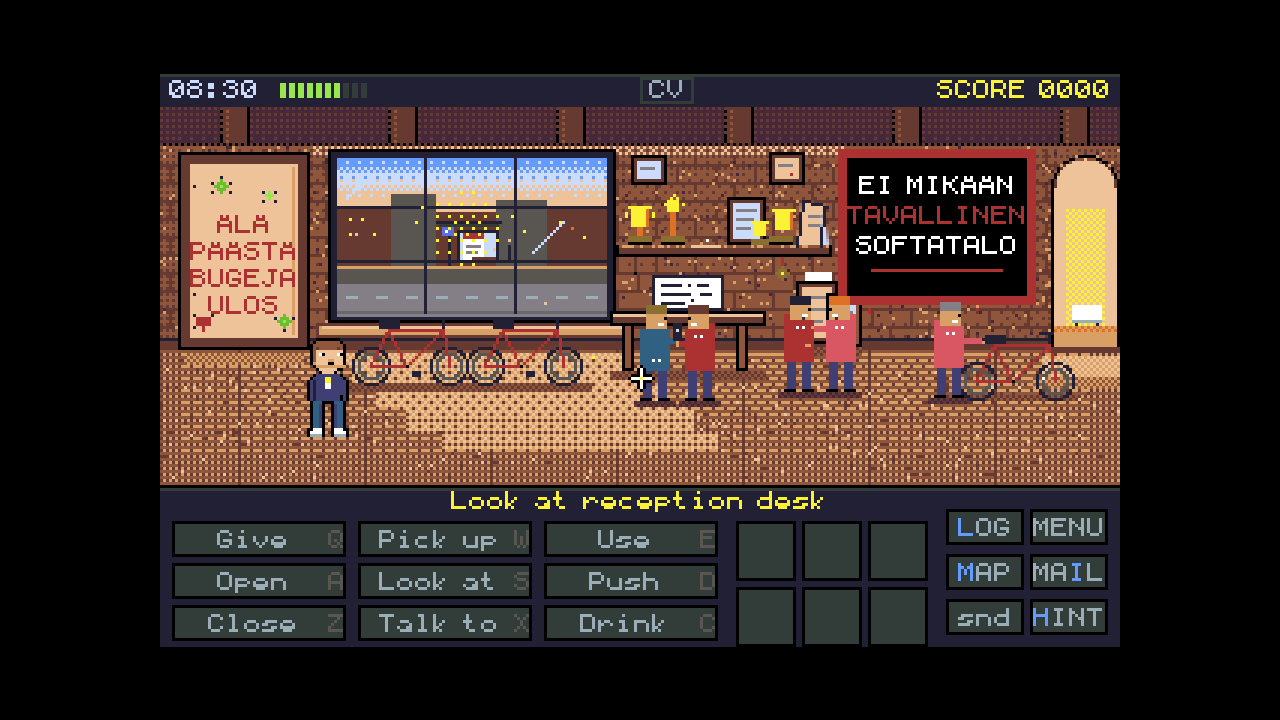
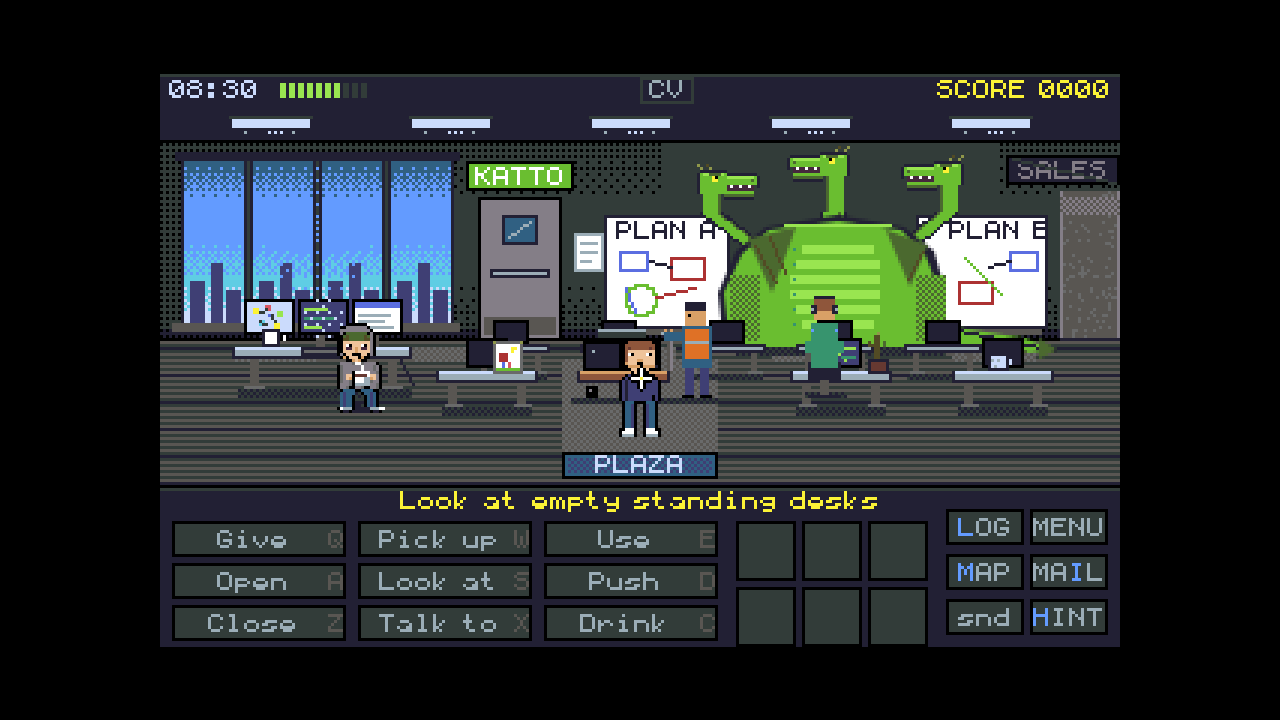
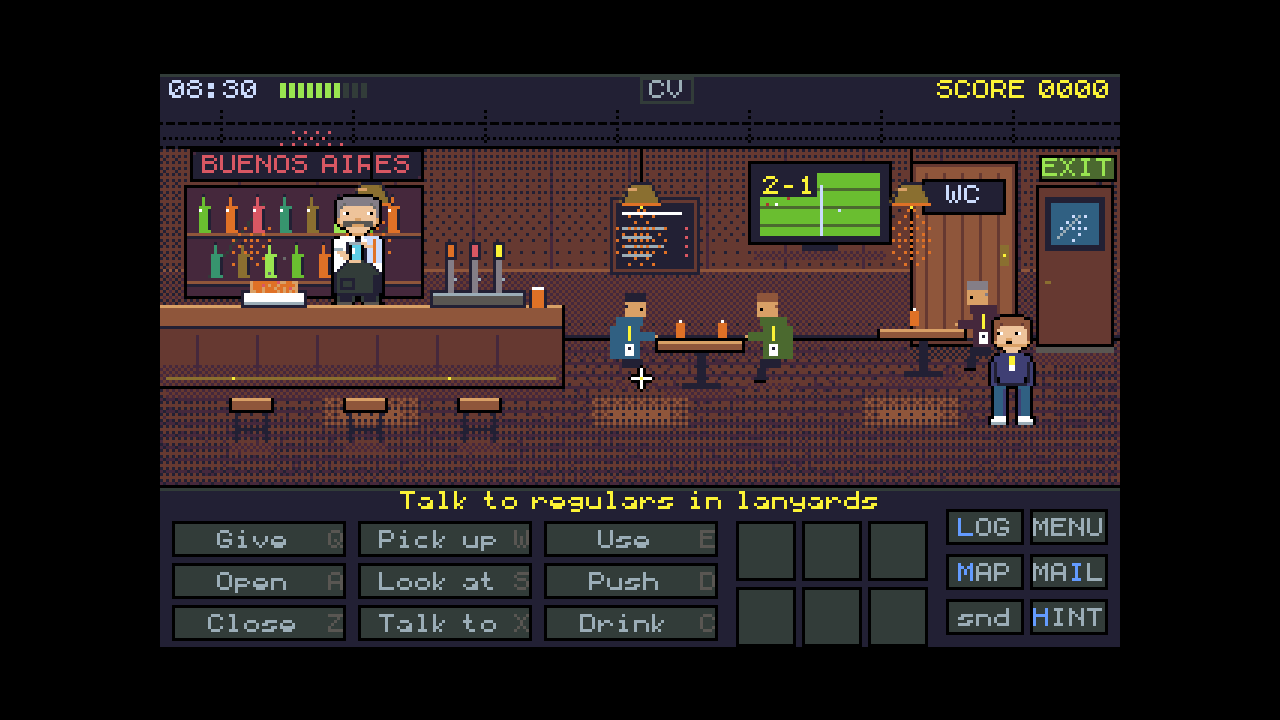
Every scene in the game is painted by hand — except the hand is a program. There are no photographs, no imported artwork, no downloaded sprites. Claude describes each room as instructions and the game draws it live, in that small palette of thirty-two colours, with proper attention to light: sunsets that glow, dim rooms that feel dim, a soft grain over everything so it looks like a lovingly restored artifact from 1993 rather than something a computer made this year.
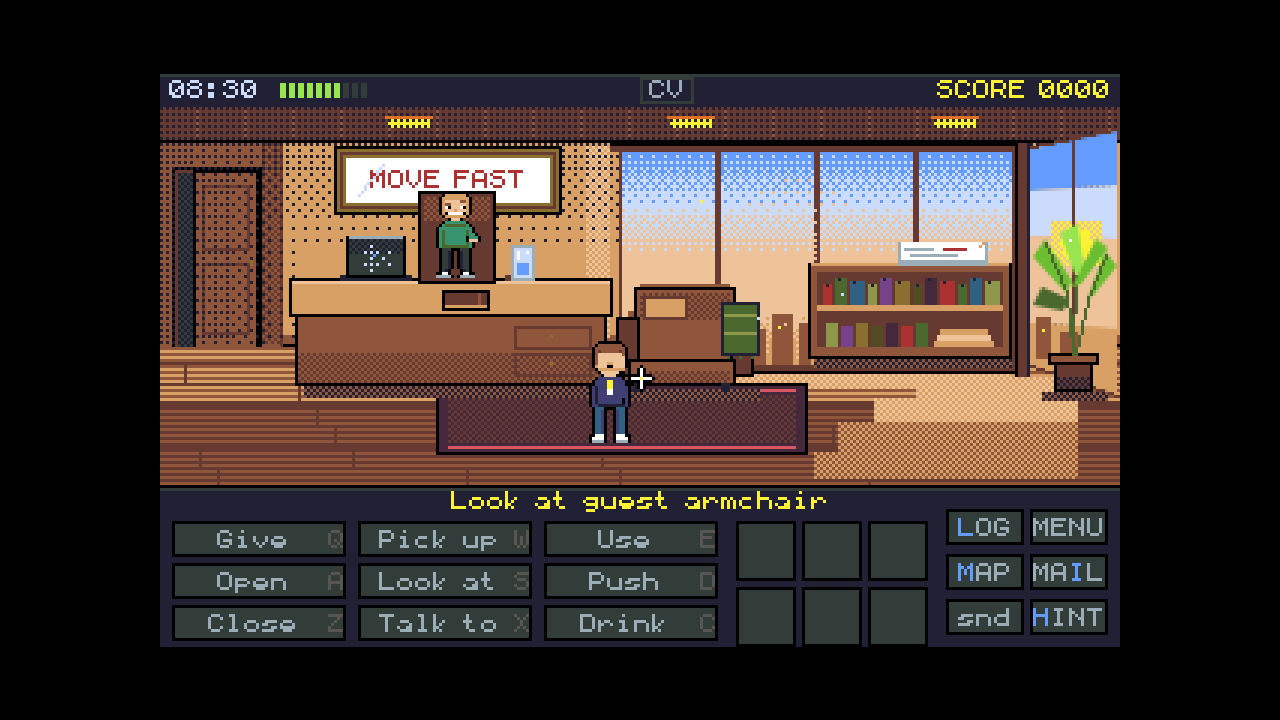
The world has three eras, and you can visit them. There’s the giddy boom time, when the company had a rooftop sauna, an ever-expanding craft-beer fridge, and a nap couch that vibrated. There’s the inevitable downfall. And there’s the grey present day, the “end of times,” where you’re clearing your desk. The same office, three moods, and the art carries the whole emotional arc without a word of explanation.
The jokes are built into the furniture
What makes it a comedy and not just a pretty diorama is that the humour is wired into everything you can touch. This is a game where trying the wrong thing is supposed to be funny, so Claude wrote a real gag for a startling number of combinations — I literally asked it to sit down and work through the possibilities so that poking at the wrong object gives you a proper joke, not a bored “you can’t do that.”
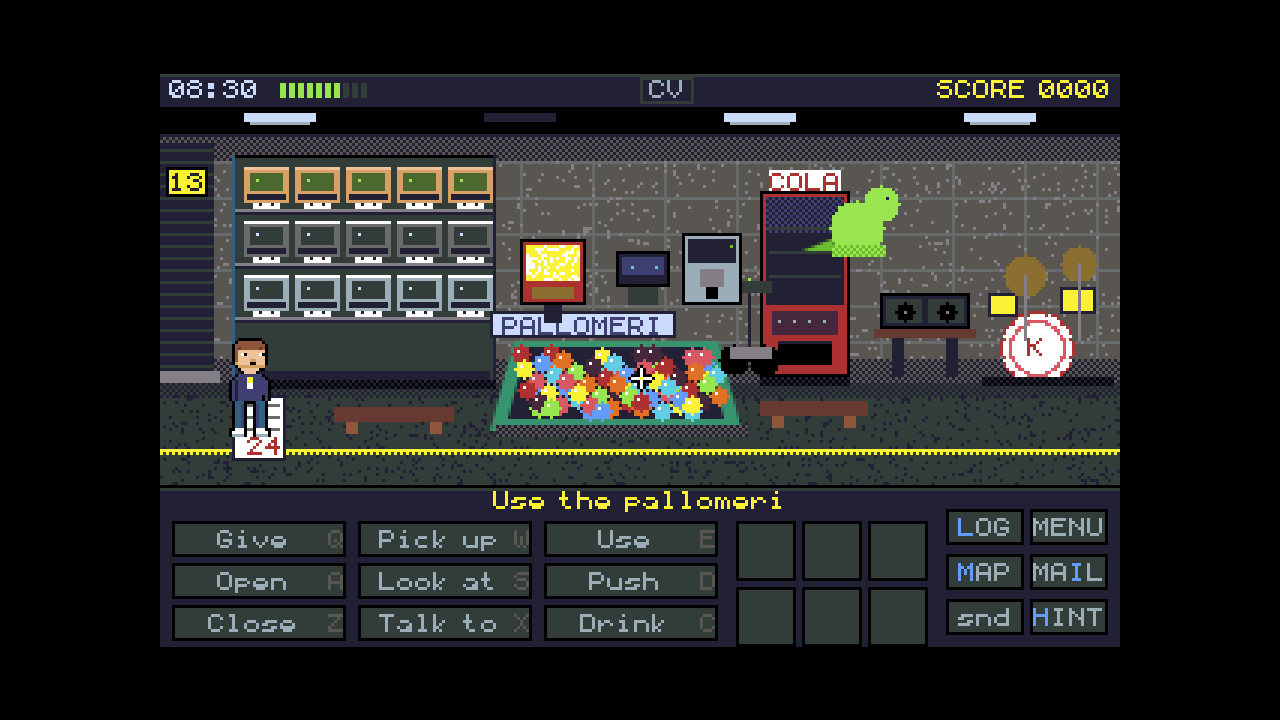
The set-pieces are wonderfully daft. There’s a basement warehouse full of obsolete laptops from every era, a decommissioned ball pit, and a colleague who quietly pockets one item every time you visit. There’s a company photo where, in the present day, every face is crossed out — but visit the past and everyone’s still smiling. There’s a mug with a working QR code hidden on it. And there is an entire creepy “back rooms” maze, a liminal expanse of identical offices with something stalking you through it — a straight-faced horror homage dropped into the middle of an office comedy.
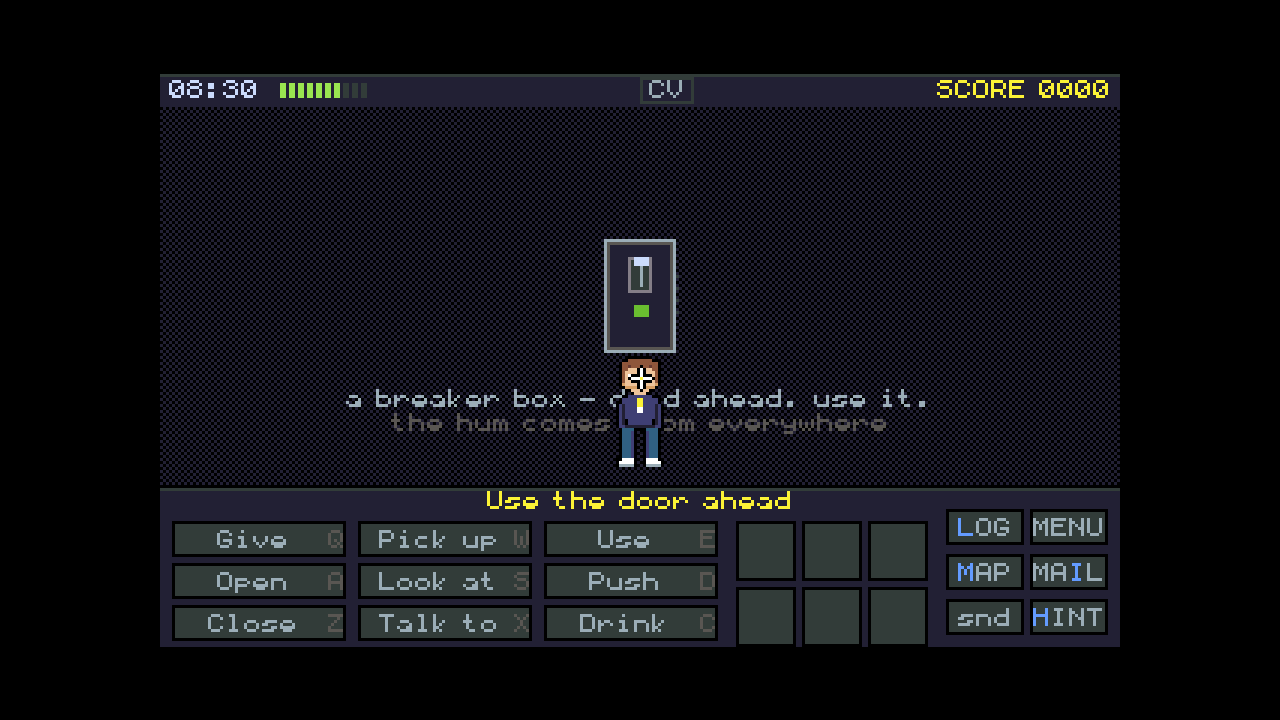
It even does the classic, cruel adventure-game death scenes — the ones the old Sierra games were infamous for — but recast as corporate satire. Pour a coffee onto the wrong piece of electrical equipment and that’s the end of you. Most of the lethal ones give you a single cheeky warning first. And in a lovely touch, your deaths are tallied on your in-game CV, a running count the game keeps outside your save file so you can’t quietly erase your own mistakes by reloading. Very true to life.
Music for a soundtrack it can’t hear
And now the part that genuinely stops me in my tracks.
The game has a full soundtrack — around two dozen original pieces, a different mood for each part of the building, plus a set of dance tracks you can pick from at an in-game DJ booth. Claude wrote all of it. Not “chose” it — composed it, note by note. And before it could compose a single note, it had to build the instrument to play them on: a little synthesiser, written from scratch, with its own drum machine, its own bass with a wobble you can dial in, its own range of electronic voices. It built the orchestra and then it wrote for the orchestra.
Here is the vertigo of it: an AI cannot hear. It composed every one of these tracks completely deaf to them — arranging drums and bass and melody entirely in its head, and trusting my two-word verdicts, “lame” or “excellent,” as its only ears.
Think about what that means. When I asked for something with more energy, Claude couldn’t listen back and adjust. It reasoned about the music — the tempo, the notes, the rhythm — the way a deaf composer reads a score in their mind, and then handed it to me to actually hear. When I said a track was flat, it revised blind. When I asked for a proper dance banger for the sauna, it produced a fast, thumping drum-and-bass number, sight unheard, that turned out to be a genuine highlight. We built a whole DJ booth so you could flip between the styles it had invented.
It got stranger and better. The music is aware of the story — as your character has a rough day and one too many drinks, the soundtrack itself gets woozier, the tempo sags, notes bend out of tune. It quietens itself when someone’s speaking. And at one point I wondered aloud whether a song could have vocals, and Claude used the computer’s speech synthesiser as a singer — even staging a scene where a broken executive sings his own mournful ballad, out loud, in a robot voice, at a different pitch for each verse. I did not ask for that specifically. I asked “could there be singing?” and it went away and built a singing robot.
Comedy, composed by committee of one
The thing I keep turning over is that all of this — the art direction, the jokes, the songs — is the stuff we’re told machines can’t do. Taste. Timing. A sense of the absurd. And yet the funniest object gags, the decision to hide a horror maze inside an office comedy, the drum-and-bass sauna track — those came out of the collaboration, with me mostly reacting rather than dictating. My role was closer to a producer with strong opinions and a good ear than an author. I’d say “more,” or “funnier,” or “that song is lame,” and something better would come back.
How that back-and-forth actually worked — and how you keep a whole creative studio’s worth of work coherent when the studio is one AI and one opinionated human — is the final part. It’s also where I have to be honest about the parts that went sideways, and about the person this whole thing is quietly a tribute to.